News
An expert manufacturer in developing natural silk fabric and fashion silk garments for 24 years.
Language
Polished Instagram ads, award-winning packaging, and a 4% converting website don't mean much when a first-time buyer washes the pajamas once and watches the seams pull apart at the shoulders.
Silk feels luxurious, or it feels like a refund request. There's no middle ground in this category, and the factory behind your product makes that call long before your marketing team gets involved. Most founders learn this around month six, when returns spike, and reviews start mentioning the word "scratchy."
Picking the right Silk Pajamas Supplier isn't a procurement task you delegate to your operations hire. It's the single decision that sets the ceiling on what your brand can become. Here's what we'll cover:
● How momme weight, weave type, and finish quality separate premium silk from filler
● Red flags to spot during factory vetting before wiring a deposit
● What custom silk pajamas programs should actually include at scale
● Pricing structures that protect your margins as order volumes grow
● Communication patterns that signal a long-term manufacturing partner
The right partner shows up in your retention numbers, your repeat purchase rate, and the reviews that bring new customers in without paid acquisition.
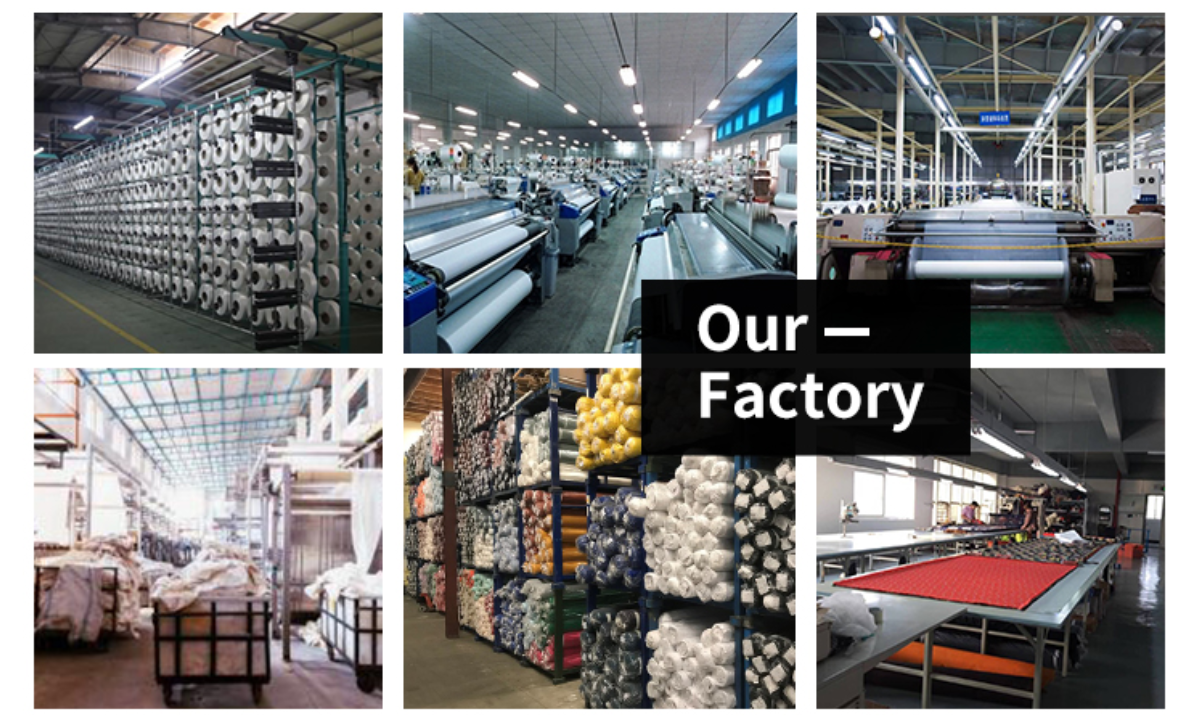
The fastest way to lose margin in this category is to pay manufacturer prices to someone who's actually a trading agent. Trading firms dominate B2B platforms because the listings cost them next to nothing to maintain, and plenty of founders sign contracts without confirming who runs the actual sewing line behind the listing.
Ask three pointed questions before any deposit gets wired. Real factories answer these in minutes, and middlemen ask for time to "check with their team."
● Can you share live video of the cutting floor on a normal production day
● What silk count runs on your most-used charmeuse, and where does the yarn ship in from
● Which patterns do you currently produce for your top three accounts (without naming them)
A genuine Silk Pajamas Supplier owns the dye house relationship, the cutting tables, and the QC stations. That ownership shows up in pricing, lead time control, and the willingness to put a video call together on short notice.
Why this matters for D2C economics? Margin gets eaten in 4-7% chunks every time a layer gets added between you and the sewing floor. Three intermediaries can flip a viable unit economic into a losing one before your second restock lands.
Specs printed on a tech pack mean nothing if the production team doesn't hold the line on them. The areas below are where corner-cutting hides, and they're the same places customers notice within two weeks of opening the box.
Momme measures density per unit area, and it's the closest thing silk has to an honest spec. Cheaper programs will quote 19 momme on the contract and ship 16 momme to save on raw material cost. Run a third-party test on your first three production runs and compare the results against the certificate of analysis you were issued.
● 16 momme: lightweight, breathable drape, suited to summer lines and lining work
● 19 momme: the sweet spot for sleepwear, holds shape and washes consistently
● 22+ momme: heavier hand feel, premium positioning, better for cooler climates
Internal construction does most of the heavy lifting on perceived value. French seams along the side panels, mother-of-pearl buttons instead of plastic, contrast piping with matched thread weight, all of these add maybe a few dollars to landed cost. They get noticed in product photography and unboxing reviews every single time.
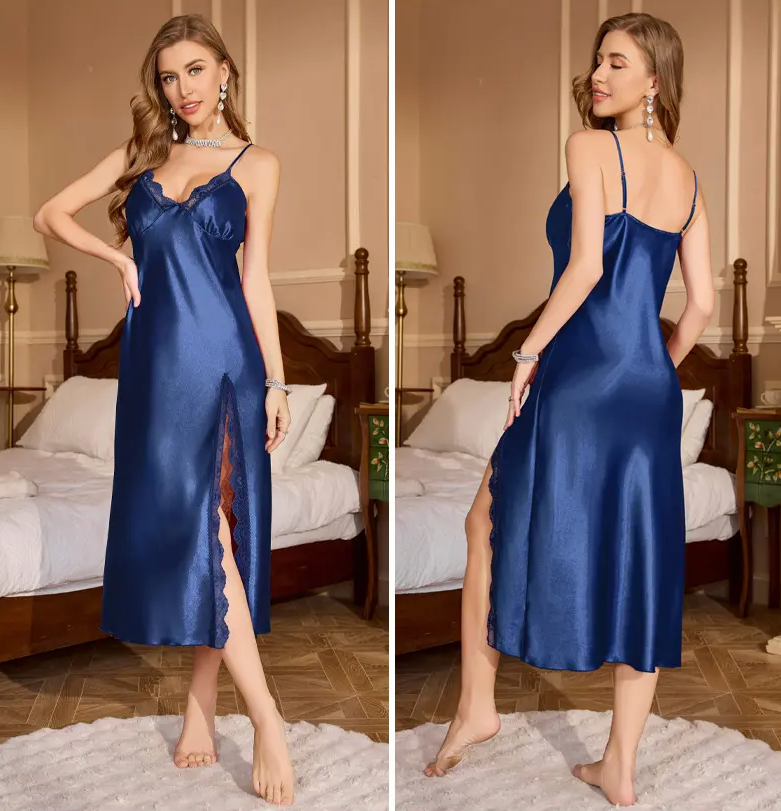
Plenty of factories will print your label onto their existing patterns and call it custom work. That's white-labeling, and it caps your brand at whatever the factory's house silhouette can deliver. Real custom silk pajamas programs let you build the product around your customer's body and your brand's point of view.
You want a partner who treats pattern development as part of the relationship, not a line-item upcharge buried somewhere in the contract.
● Original pattern grading across your full size range, not the factory's default block
● Three to four sample rounds per style before bulk approval gets signed off
● Pattern file release written into the original agreement after the third reorder
● Trim and hardware sourcing options outside the factory's default catalog
● Fit consultation on the first sample if you don't have a tech designer in-house
Manufacturers running serious custom programs publish their capabilities openly. The collection at Romankelly gives a useful reference for what a vertically integrated operation can put together across silk content, weave variation, and finishing detail. Look for partners who can speak to that level of specificity about their own production floor.
Cheap unit pricing on the first PO usually signals trouble on the third. Sustainable supplier relationships work off transparent tier pricing, with clear breakpoints at meaningful volume thresholds, and side costs spelled out plainly before any sampling work gets started.
These line items rarely appear in the initial quote, and they will land on the closing invoice without fail.
● Sample fees beyond the first two rounds per style
● Pattern grading charges for extended size runs
● Custom packaging tooling for boxes, ribbons, and dust bags
● Air freight surcharges on expedited production runs
● Lab dip approvals past the standard three-round allowance
A trustworthy partner puts every one of these on the table during the quoting phase. If they show up only on the final invoice, take the relationship somewhere else for round two.
The Silk Pajamas Supplier you sign with at the start often isn't the one you're working with two years later. Production crises happen on every PO eventually, and the difference between a partner who saves your brand and one who tanks your launch comes down to how those crises get communicated, not how often they occur.
Pay close attention to behavior during the sampling phase. That period gives you the cheapest preview of how the relationship will run at production volume.
● Weekly updates with date-stamped factory photos from the line
● Same-day acknowledgment of emails, even when the full answer takes 48 hours
● Proactive flags on raw material delays before they hit your timeline
● A named account manager who stays on your file across reorders
● Honest assessments when something you've requested won't work technically
These habits compound across orders. A partner who handles month three well will handle month thirty equally well, and one who goes quiet on small issues early will disappear during bigger ones down the line.
A D2C silk brand lives or dies on what happens inside the box, not what happens on the ad creative. Founders who get this right treat the factory floor as part of their product team, vet every spec down to the momme count, and pick partners who answer hard questions on the first call. Everything that follows, the retention curve, the organic reviews, the unboxing videos customers post without being asked, traces back to the manufacturing decision made in month one.
A few things worth keeping close:
● Trading agents and real factories quote similar prices but deliver very different products
● Momme weight and finishing details show up in customer reviews within two wash cycles
● True custom programs include pattern development, not relabeled house silhouettes
● Side costs belong in the original quote, never on the closing invoice
● Sampling-phase communication predicts how the relationship runs at scale
Romankelly sits in the category of vertically integrated partners worth shortlisting as you put your supplier search together.

