INFO CENTER
An expert manufacturer in developing natural silk fabric and fashion silk garments for 24 years.
Language
Searching for the right Silk manufacturer for Customized Sleepwear production
Your custom sleepwear line deserves more than mediocre silk. One wrong silk producer choice can mean inconsistent fabric quality, missed deadlines, and returns that eat your profit margins. We've seen brands lose $50K on their first production run because they didn't vet their manufacturer properly.
Finding the right silk sleepwear partner isn't about scrolling through Alibaba pages. It's about knowing exactly what separates amateur operations from professional silk pajamas manufacturers.
You can't trust a silk producer just because they say they use real mulberry silk. We've tested samples from 30+ manufacturers, and here's the truth: about 40% misrepresent their fabric composition.
Real certifications tell the real story.
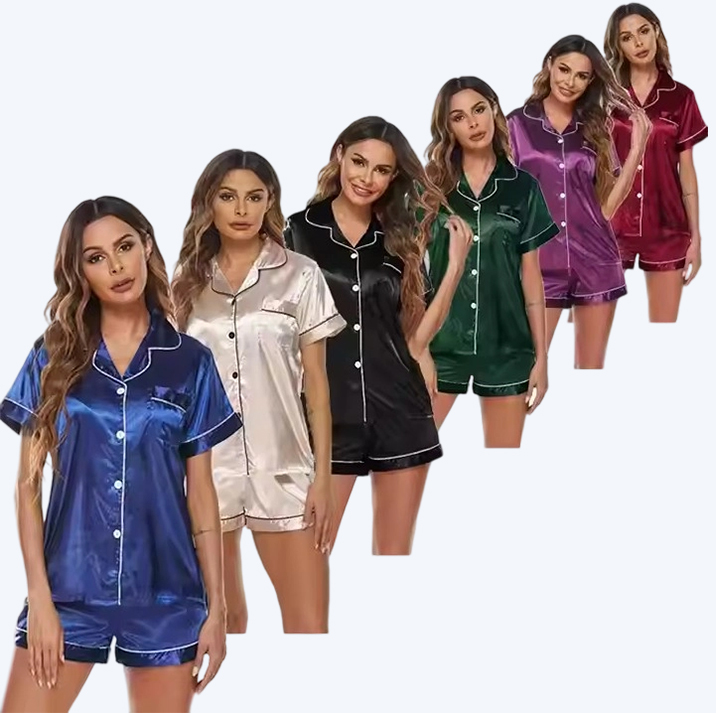
This certification tests for over 100 harmful substances. If your silk sleepwear will touch skin for 8+ hours nightly, you need this stamp of approval.
Look for the certificate number and verify it directly on the OEKO-TEX website. Fake certificates are rampant. Copy-paste that number into their database yourself.
Not all silk is created equal. The grading system runs from 2A to 6A, with 6A being the longest, most uniform fibers.
Here's what each grade means for your silk pajamas:
● 6A silk - 1400+ meter fiber length, zero breaks, smooth texture
● 5A silk - 1200-1400 meters, minimal imperfections
● 4A and below - Shorter fibers, rough texture, pills faster
Ask your silk producer for their grade certification and a momme weight report. Standard sleepwear should be 19-22 momme for durability.
This certification isn't about the silk itself. It's about whether the factory can consistently deliver what they promise.
ISO 9001 covers quality management systems. Translation? They have documented processes for everything from dyeing to stitching to packaging.
Claiming sustainable practices? They better have GRS certification to back it up.
This matters if you're marketing eco-friendly sleepwear. Your customers will check. One brand got called out on Instagram for greenwashing when their "sustainable silk" had no verifiable certification.
Here's your action plan:
1. Request certificate PDFs with visible certification numbers
2. Cross-reference on official websites - OEKO-TEX, ISO, and GRS all have verification portals
3. Ask for lab test reports - Real producers keep these on file
4. Check expiration dates - Current certifications only
5. Video call the facility - Ask them to show certificates on camera with current date visible
Some manufacturers will send you a certificate that belongs to a different company. Verify the company name matches exactly.
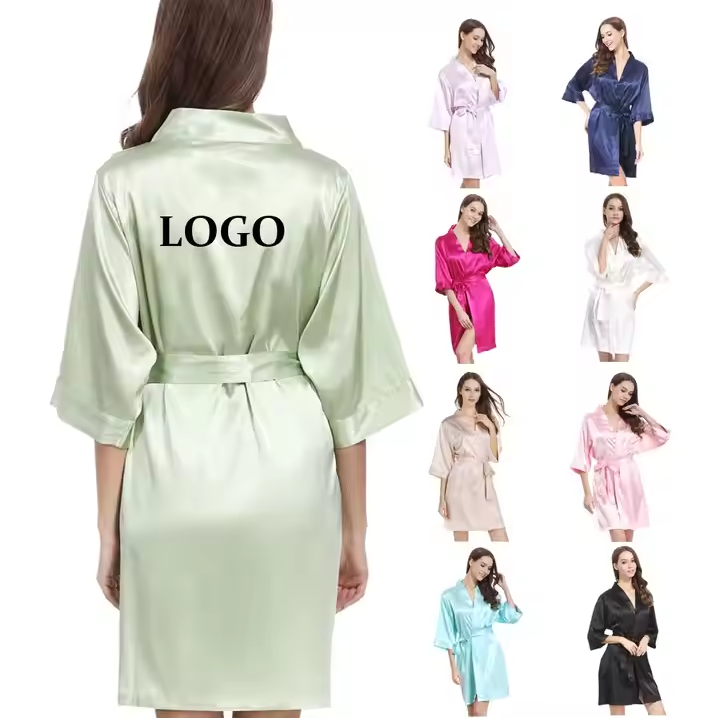
We've vetted over 100 silk producer candidates for clients. Some red flags show up so consistently, you'd think manufacturers were reading from the same playbook.
Here's what sends us running.
Real mulberry silk costs $30-50 per yard wholesale. If someone quotes you $15 per yard for "100% pure silk," they're lying.
The math doesn't work. Silkworms eat mulberry leaves for 30+ days before producing cocoons. Labor, feeding, and processing costs alone make cheap silk impossible.
What they're actually selling you:
● Polyester blends marketed as silk
● Lower-grade silk (2A-3A) passed off as premium
● Recycled silk from factory scraps
● Charmeuse (silk-like fabric that's 100% synthetic)
Minimum Order Quantities tell you about production capacity. A legitimate factory has set MOQs based on their actual processes.
If they keep saying "we can work with any quantity," something's off. They're probably middlemen who'll source from whoever's cheapest that week.
Ask this specific question: "What's your MOQ per color per style, and why is it that number?"
Good manufacturers will explain their fabric roll minimums, cutting requirements, and dyeing batch sizes. Sketchy ones give generic "it depends" answers.
They want a 50% deposit before sending samples? Stop right there.
Professional silk sleepwear manufacturers send samples for $50-150 (covers fabric and shipping). They want you to touch, feel, and test before committing to thousands of units.
Do these tests yourself:
1. Burn test - Real silk smells like burning hair, leaves crushable ash
2. Ring test - Pull fabric through a ring; real silk slides smoothly
3. Wrinkle test - Scrunch it; real silk bounces back quickly
4. Chemical test - Dissolve small piece in bleach; real silk dissolves
Time zones exist. We get it. But if your silk producer takes 5 days to answer basic questions, imagine the nightmare during production issues.
Response time patterns we trust:
● Initial inquiry: 24-48 hours
● Sample requests: 24 hours
● Technical questions: Same business day
● Production updates: Weekly minimum
You can't find them anywhere except their own website. No LinkedIn. No trade show appearances. No verified reviews on Alibaba or Global Sources.
This isn't about being tech-savvy. Legitimate factories want visibility. They attend trade shows like Canton Fair or Intertextile Shanghai. They have supplier pages with transaction history.
Quick background check:
● Google their company name + "reviews"
● Search their registration number with local business bureaus
● Check if they're listed on B2B platforms with verified badges
● Look for trade show booth photos or videos
You want to hire SGS or Bureau Veritas for pre-shipment inspection. They refuse or get defensive about it.
Why this matters: Third-party inspectors catch defects before containers ship. They check stitching, measurements, fabric quality, and packaging against your specs.
Confident manufacturers welcome inspections. They know their work passes. Sketchy ones suddenly have "company policy against inspections" that they never mentioned before.
Cost is $300-500 per inspection. That's nothing compared to receiving 10,000 defective units.
"We prefer to work on trust." "Contracts aren't necessary for small orders." "Our company policy is handshake agreements."
Translation: They want an easy exit when things go wrong.
Your contract should cover:
● Exact fabric specifications (momme weight, silk grade, color codes)
● Production timeline with milestone dates
● Quality standards and defect rates (typically 2-3% acceptable)
● Payment terms (30% deposit, 70% before shipping is standard)
● Penalty clauses for delays
● Intellectual property protection for your designs
One factory claims they do spinning, weaving, dyeing, cutting, sewing, printing, embroidery, and packaging in-house.
Probably not. Most specialized silk pajamas manufacturers focus on 2-3 core competencies and outsource the rest.
That's not bad. What's bad is lying about it. If they outsource dyeing but won't tell you, how do you verify quality control across their supply chain?
Minimum Order Quantities can make or break your first production run. We've seen startups drop $40K on inventory they couldn't sell because they didn't negotiate smartly.
Your MOQ directly impacts cash flow.
Silk producers aren't trying to squeeze you. They have real costs that only make sense at certain volumes.
Fabric comes in rolls of 50-100 yards. Dyeing machines process minimum batches of 200-500 yards per color. Cutting tables work most efficiently with 100+ pieces at once.
When a manufacturer says their MOQ is 500 units per style, they're telling you about their operational realities. Fight that number too hard and you'll get poor service or hidden cost increases elsewhere.
Here's a negotiation tactic that works: instead of 500 units in one color, propose 500 units split across 3-4 colors.
Most silk sleepwear manufacturers will accept this because you're still hitting their total volume threshold. You get variety without sitting on 500 identical pieces.
Example breakdown: 150 units in navy, 150 in champagne, 100 in burgundy, 100 in black. Same total commitment, better market testing.
Can't afford 500 units of pajama sets? Split your order between two complementary styles.
Order 300 full pajama sets and 200 matching robes. Or 250 long-sleeve sets and 250 shorts sets. You're maintaining volume while diversifying your product line.
This works because most factories use the same silk base for multiple styles. The cutting and sewing processes are similar enough that they'll accommodate the split.
Some silk pajamas manufacturers let you start with a test batch of 50-100 units at a higher per-unit cost.
You'll pay maybe 40% more per piece, but it's worth it. You can test the market, gather customer feedback, and verify production quality before committing to hundreds of units.
What to say: "We'd like to start with 100 units at your sampling rate, with a guaranteed order of 500 units within 90 days if quality and sales meet expectations."
This protects you and shows the manufacturer you're serious about scaling.
Manufacturers hate rush orders. They love orders they can slot into slower production periods.
Trade time for flexibility: "We can accept a 90-day production timeline instead of 45 days. Can that reduce our MOQ from 500 to 300 units?"
This works during their off-season (usually January-February and July-August). They fill production capacity during slow periods, you get better terms.
Cash flow matters to manufacturers too. Offering 40-50% upfront payment instead of the standard 30% gives you negotiating leverage.
"We'll pay a 50% deposit today if you can accept 400 units instead of 500."
This reduces their risk and frees up capital they can use to purchase materials. Just make sure you have solid contracts protecting you if things go wrong.
Can't hit 500 units now but know you'll get there? Propose a graduated approach.
First order: 250 units. Second order within 6 months: 400 units. Third order: 600 units. Total commitment: 1,250 units over 12 months.
Forward-thinking manufacturers accept this because they're building a long-term relationship. They see you're growing and want to grow with you.
Get this in writing with specific timelines and price locks.
Pre-orders and crowdfunding change the game. If you have 200 confirmed pre-orders with payment in hand, manufacturers care.
Show them your Kickstarter page, your pre-order receipts, or your email list size. Proof of demand reduces their risk, which reduces your MOQ requirements.
One brand showed screenshots of 300 email subscribers asking about their silk sleepwear launch. The manufacturer dropped MOQ from 800 to 400 units.
Finding the right silk producer for your custom sleepwear line takes work upfront. But getting it right the first time saves you from production nightmares, quality issues, and budget disasters that plague brands who rush the vetting process.
Focus on certifications that prove authenticity. Watch for red flags that signal trouble ahead. Test fabric quality thoroughly before bulk orders. Negotiate MOQs that protect your cash flow. Communicate clearly at every stage.
Your next steps:
Create your tech pack with exact specifications for your sleepwear designs. Request samples from three manufacturers that meet your certification requirements. Test those samples using the methods we covered. Negotiate terms with your top choice and get everything in writing. Schedule your first production run with realistic timelines.
The brands winning in the silk pajamas market didn't stumble into great manufacturing partners. They did their homework, asked hard questions, and built relationships with producers who matched their quality standards.
Ready to connect with experienced silk manufacturers who understand custom sleepwear production? Check out specialized producers like Romankelly Silk who focus on helping brands navigate the complexities of silk sourcing and manufacturing.
Your sleepwear line deserves silk that lives up to your brand promise. Now you know exactly how to find it.

