INFO CENTER
An expert manufacturer in developing natural silk fabric and fashion silk garments for 24 years.
Language
For years, silk has been working double duty for us - a symbol of luxury, yet quietly delivering the goods. But then came 2025, and the way we could buy it in bulk got turned on its head overnight, leaving most of us scratching our heads. Those traders, who have traditionally bought up silk in large quantities, suddenly found they had to trash their old pricing strategies, as 2026 came along and threw them out the window.
If you're one of the people who keep getting silk yardage plopped on your desk every few months, you're probably dealing with some pretty familiar questions. What on earth is behind the rollercoaster price movements in the supply chain? Which weights and weaves are actually moving this year? And how do you even go about finding a reputable silk fabric manufacturer who doesn't try to flog last year's thinking at today's prices?
That's what this guide sets out to sort out. Drawing on insider knowledge from the production floor and the latest wholesale silk fabric demand patterns, here's what you can expect:
● The trends that are rewriting the rules for silk demand in 2026, from sustainable sericulture to the weight shifts every buyer needs to be watching
● What is really driving the price swings this year, including raw cocoon costs, tariff pressure, and the sneaky line items that are quietly inflating prices
● How to actually find a decent silk fabric manufacturer, with the right sourcing signals, MOQ flexibility, and questions that separate the real deals from the middleman sharks
The goal here is to give you a bit more confidence when you head back to the negotiating table - with sharper numbers and a better instinct for what's going on.
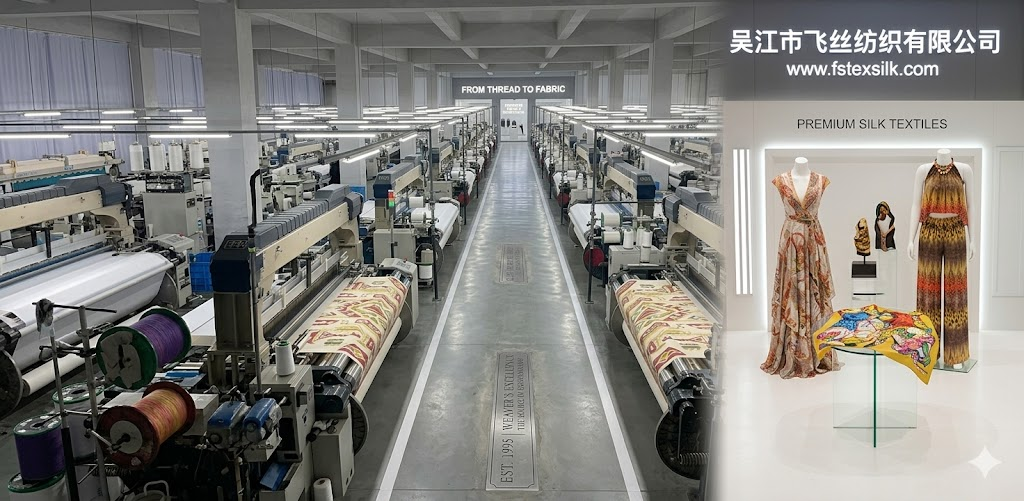
The mulberry silk industry has spent the past three years quietly rewiring itself, and the changes are showing up on order forms now. Buyers placing identical SKUs four quarters in a row are now seeing the conversation drift toward different weights, different blends, and different certifications altogether.
Here are the supply-side and demand-side shifts buyers should keep at the top of their watchlist this year.
1. Sustainability moved from a talking point to a spec sheet. Sourcing teams used to ask about OEKO-TEX 100 as a bonus checkbox. Now it's the price of admission. Recycled silk blends, low-impact dye programs, and traceable mulberry origins are pulling new business toward mills that can prove their paper trail.
2. Lighter weights are taking share back. The 16mm and 19mm momme ranges have softened in demand as 14mm habutai and lighter chiffon variants pull ahead for spring and resort lines. Heavier 22mm and 30mm satin still anchor outerwear and accessories, but the bulk volume has tilted lighter.
3. Blends are outpacing pure silk in select categories. Buyers chasing softer hand-feel at workable price points have moved Silk/Viscose and Silk/Cotton blends from niche orders into mainstream programs. That hybrid yarn approach has opened doors for streetwear and athleisure brands that couldn't justify 100% pure silk on margin. The color and print direction are worth tracking this season:
○ Warm neutrals (clay, butter, smoke) are outperforming saturated jewel tones across capsule lines
○ Surface effects (burnout, foil print, clip jacquard) are gaining ground on flat prints
○ Two-tone yarn-dyed wovens are trending up for the blouse and shirting categories
Mills that read these shifts early have been retooling their looms accordingly. The ones that didn't are sitting on inventory that doesn't move.
Sticker prices on silk have moved up across the board, but the headline number rarely tells the full story. What's pushing your invoice higher in 2026 is a stack of overlapping pressures, some structural and some seasonal.
China's Guangxi and Sichuan regions have seen mulberry acreage decline as farmers pivot toward higher-margin crops. India's Karnataka cocoon yields have held flat rather than climbed. The result is a thinner buffer between production and demand, and that thin buffer gets baked into every wholesale silk fabric quote you receive.
Cross-border friction between major silk-producing nations and Western buyers has pushed customs costs up unevenly. Mills are absorbing part of the pressure and passing the rest along to the buyer. Build a buffer of 6-9% into your annual sourcing budget to cover this volatility.
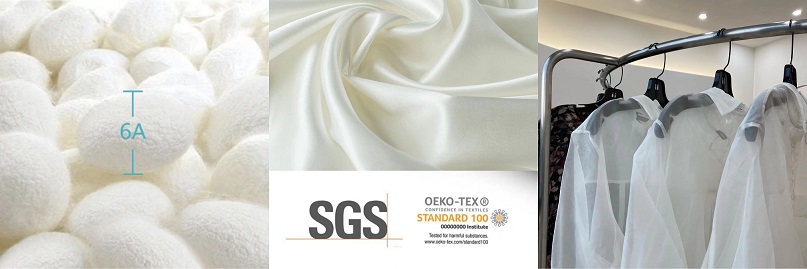
Buyers who only compare per-meter base prices keep missing the real cost drivers. Here's what to scan every quote for before signing:
● Dyeing and finishing surcharges that scale with color complexity
● Sample development fees are baked into MOQ pricing rather than itemized openly
● Inspection and certification add-ons for OEKO-TEX or related compliance work
● Width upcharges when ordering 140cm width versus the standard 114cm
● Print plate or screen setup fees for custom patterns and small runs
Ask any prospective silk fabric manufacturer for a fully landed cost breakdown rather than a single per-meter figure. Suppliers who refuse to itemize are usually hiding margin in the line items you didn't ask about.
Not every category is moving up. Pure mulberry knits and certain blended jersey constructions have stabilized, partly as newer mills entered the segment and added capacity. If your line allows a knit substitution for a woven, the math may surprise you.
The buyers winning this year aren't chasing the lowest quote. They're chasing the most transparent one.

Picking the right partner separates clean execution from quarterly headaches. The signals that separate a real silk fabric manufacturer from a middleman wearing a manufacturer badge are surprisingly consistent across markets.
Before signing anything, run the supplier through a short interrogation. The answers tell you who's actually weaving versus who's reselling someone else's looms.
● Does the mill operate its own greige weaving and finishing, or contract both out to third parties?
● Can it produce 100% mulberry alongside silk blends under one roof?
● Is OEKO-TEX 100 certification in-house, and does production clear the 4-point inspection system?
● What's the realistic sample-to-bulk lead time once dyeing variables are factored in?
● Does the supplier carry an in-house garment factory alongside the fabric mill?
A genuine silk fabric manufacturer answers all five without hedging. Brokers stumble on at least two of them.
Minimum order quantities are where smaller buyers and emerging brands get squeezed hardest. The mills are worth a long-term partnership, and build tiered MOQs that scale with project type. Sampling, capsule runs, and bulk reorders should each carry their own thresholds rather than getting bundled under one rigid floor.
A wide catalog is evidence that the supplier can match design intent to weave construction. As a reference point, the Romankelly’s silk fabric collection covers the full range that 2026 wholesale silk fabric demand is pulling on, including:
● Silk Charmeuse and Silk Crepe De Chine for the lighter momme shift covered earlier
● Silk Chiffon and Silk Georgette GGT for resort capsules and scarf programs are gaining traction
● Silk/Viscose and Silk/Cotton blends for buyers chasing hybrid hand-feel at scaled pricing
● Clip Jacquard and burnout variants for the surface-effect direction trending this year
The right silk fabric manufacturer reads the same trend signals you're reading and tailors its production accordingly. That alignment is what protects margin when the next pricing wave hits the floor.
With a clearer eye now on what 2026 holds for silk buyers, you've got a solid handle on which questions to hammer home in your next supplier call. The market's moving, but it's not all chaos - for those who know what to pay attention to, it's actually pretty predictable.
Here's a quick rundown of what you should be carrying forward:
● The demand is slowly but surely shifting away from pure mulberry and towards lighter weights, sustainable stuff, and blends - across the board this year
● Pricing pressure isn't just seasonal, so go ahead and build a 6-9% buffer into your annual budget and don't be afraid to ask for some transparency in the quotes you get from suppliers
● A real silk manufacturer will answer your questions upfront without fobbing you off, owns its own weaving and finishing game, and can give some flexibility on MOQs to match your project type
● Surface effects, warm neutrals, and silk blends are where all the action is - so make sure your range is aligned with where the demand is actually headed in 2026
Go into that next contract negotiation with a clear idea of what you're getting, what you're not getting, and which compromises are worth making. Your bottom line will be thanking you long after the year is done.

